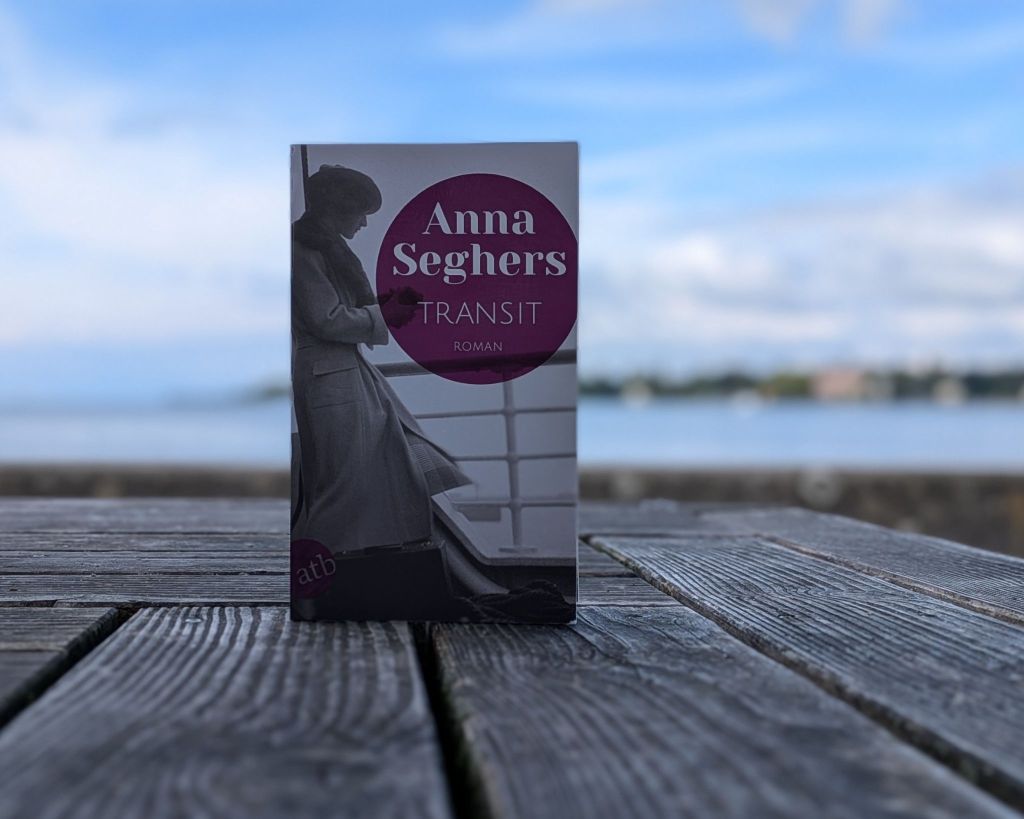
In Anna Seghers’ Transit, a narrator escapes a German camp, drifts through occupied France, and ends up in Marseille – taking on the identity of a writer who killed himself before the narrator could deliver a message to him.
What stayed with me is the sense of an existential holding pattern: refugees suspended in time, nothing happening and yet everything in flux. The narrator floats through bureaucracy, corruption, endless paperwork, always fighting for the next small step toward safety. It feels disturbingly current.
Alles war auf der Flucht, alles war nur vorübergehend, aber wir wussten noch nicht, ob dieser Zustand bis morgen dauern würde oder noch ein paar Wochen oder Jahre oder gar unser ganzes Leben. (p. 41)1
Read alongside texts like Arendt’s We Refugees or Lynch’s Prophet Song and the daily newspaper, Transit is part of the historical continuum of displacement. Seghers is particularly successful in shining a light on one aspect of displacement: the uncertain waiting in a liminal space.
What worked less for me was the more-or-less romantic triangle between the narrator, the writer’s wife, and a doctor. Also part of this existential in-between, yes – but in the end it felt unnecessary, almost forced.
Transit is a classic novel about the foggy, unreal in-between of displacement – and I might be one of the few readers who would have preferred even less plot…
- “Everything was on the run, everything was temporary, but we didn’t yet know whether this situation would last until tomorrow or a few more weeks or years or even our whole lives.” ↩︎

Thoughts?